Halong Bay Cruises
More rush than scenery
I’ve always hated cruise ships. They’re essentially shopping malls on water, where you have little choice but to pay inflated prices for food, drinks and entertainmanet, as you have no where else to go. Not to mention that they’re often terrible for the environment: The environmental impact of cruise ships and Environmental Impact Of Cruise Tourism: Exploring mitigation case studies in major ports. We’ve already damaged the environment on land, and now we are moving to the seas and oceans.
Ha Long Bay is a UNESCO World Heritage Site. UNESCO designation is supposed to help protect places of outstanding natural and cultural value, but that wasn’t the experience here at all. Although Vietnam has introduced measures to address some of these issues.
When checking in at the Halong International Cruise Port, we were told not to bring water bottles onto the boat. The reasoning was understandable: reducing plastic waste helps protect the bay from pollution. Though some tourists managed to sneak them aboard in their luggage anyway.
I left my large water bottle behind because I didn’t mind paying for water on the cruise. But asking people to leave their water behind in the name of environmental protection, only to charge inflated prices for bottled water once they’re onboard, felt wrong. At the very least, each cabin should have included two complimentary bottles of water. Drinkable water is a necessity, not a luxury.
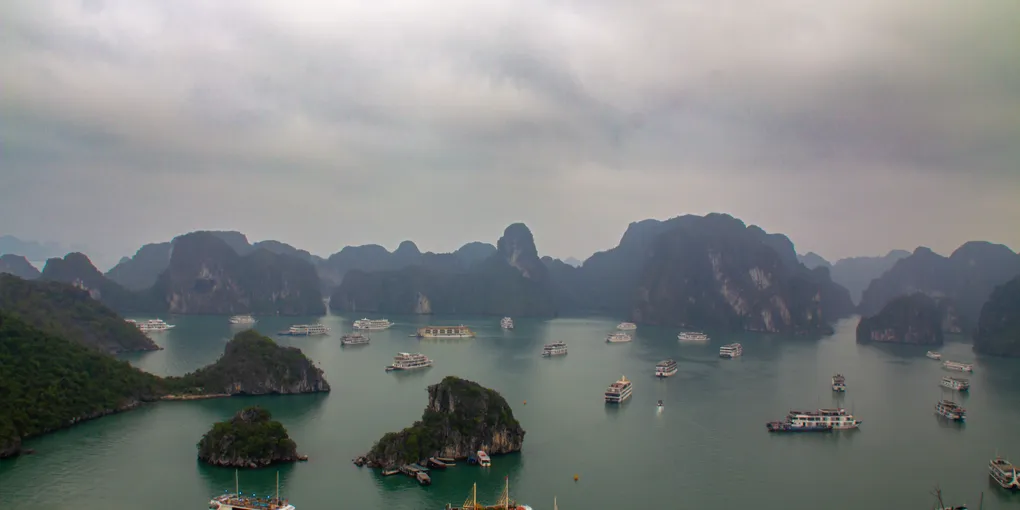
Still, the water bottle situation wasn’t the worst part. What struck me most was the sheer number of cruise ships catering to tourists doing the standard two-day, one-night itinerary, where most tourists are checking Ha Long Bay off their bucket list before moving on to the next destination.
There were long lines of tourists winding through caves, overcrowded beaches, and crowds of people climbing to the summit of Ti Top Island for the famous panoramic view. The three-day, two-night cruise wasn’t much different from the shorter option either. Aside from spending half a day in a quieter area farther from the main tourist routes, the itinerary felt nearly identical. Even then, it felt less like an opportunity to appreciate the beauty of Ha Long Bay and more like a rush from one scheduled activity to the next. Everyone were doing the same activities.
Safety was another concern. During the excursions, it was clear that many people had little regard to personal safety. While life jackets were provided, plenty of tourists wore them incorrectly, and some didn’t bother wearing them at all, despite the fact that we were out on open water surrounded by boat traffic and changing weather conditions. Alot of tourists also chose the kayaking experience, but it was also clear that they were not experienced kayakers. I’ve seen our banana boat operator get frustrated by tourists constantly ramming their kayaks onto our boat.
My concerns about safety were only reinforced when I learned that a tourist boat in Ha Long Bay had capsized in July 2025, killing dozens of people. While that incident occurred during a sudden and severe storm, it highlights how quickly conditions can change on the water and how important proper safety procedures are. Seeing so many tourists disregard basic safety measures during their vacation trips made me wonder whether the industry has become too focused on moving large numbers of tourists through the bay rather than ensuring they understand the risks. Always make sure to wear your life jackets properly and make sure that others around you are doing the same as well!
Ha Long Bay is undeniably beautiful, but after the crowds, the commercialization, and the environmental contradictions, I found myself asking: does this still feel like a UNESCO World Heritage Site, or simply a tourism machine built around one? Even UNESCO themselves have raised these concerns in the past.
Published on: 2026-06-14
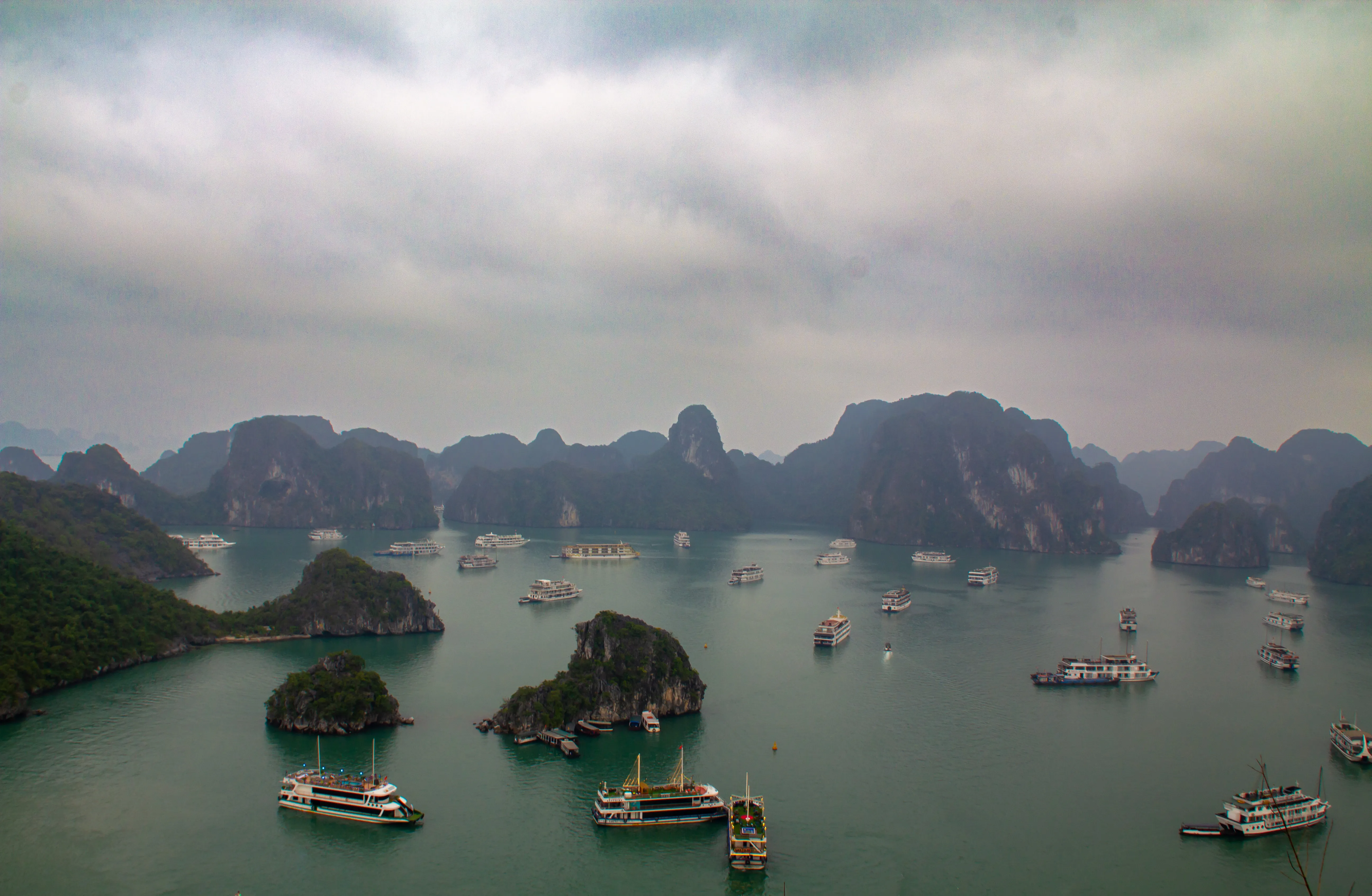
Lots of cruise ships anchored in one spot.
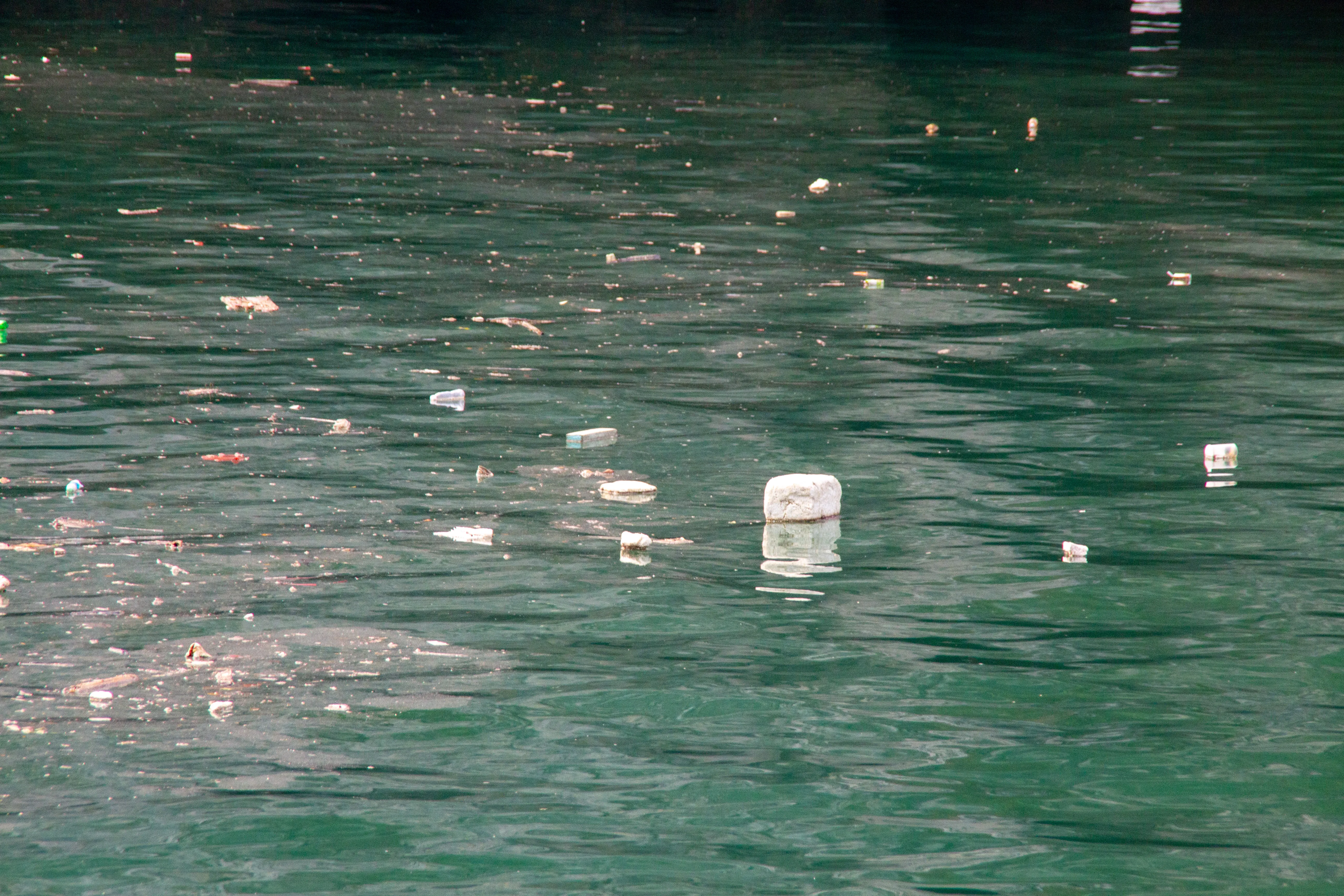
Trash seen floating all around in the waters of halong bay.
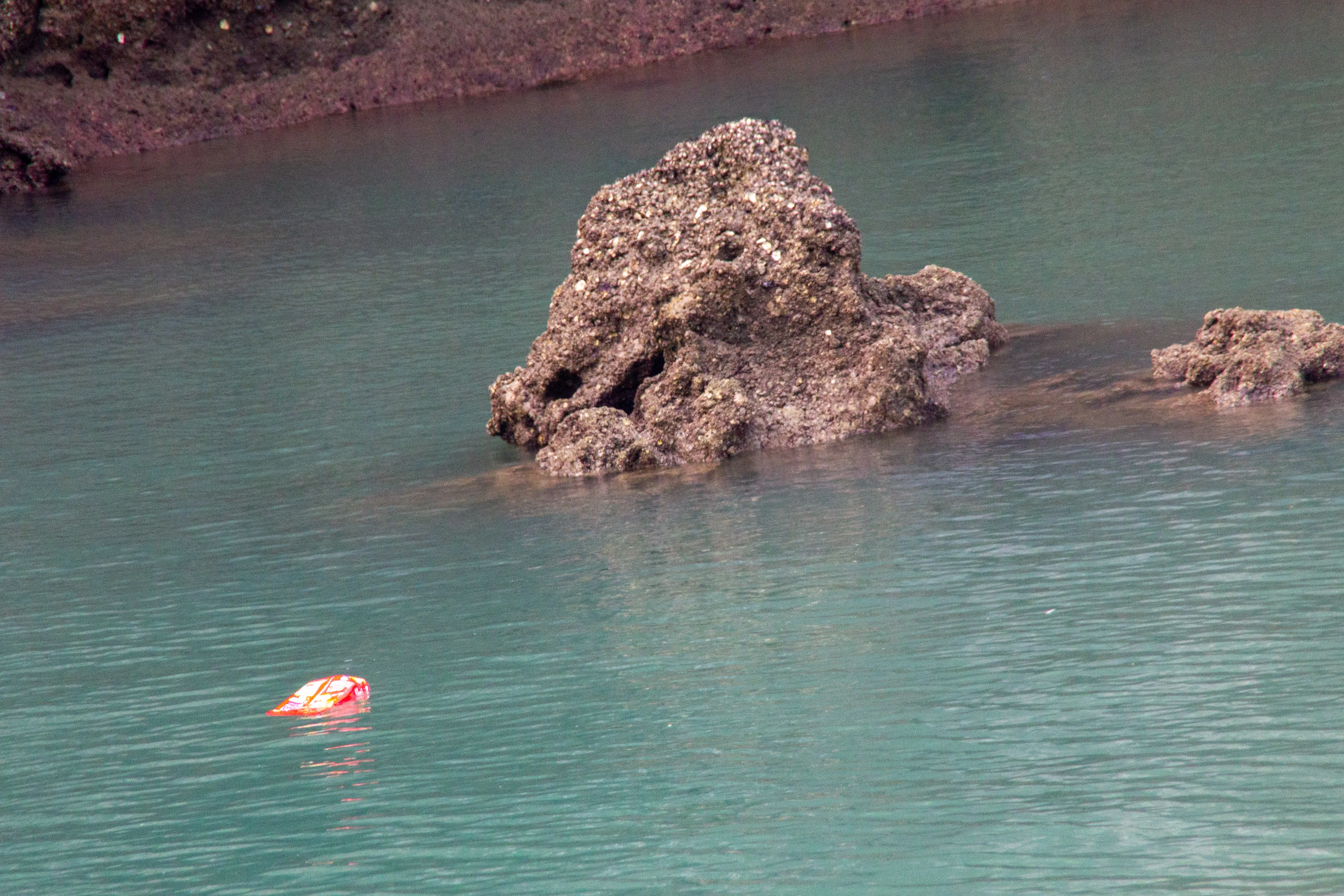
More trash.
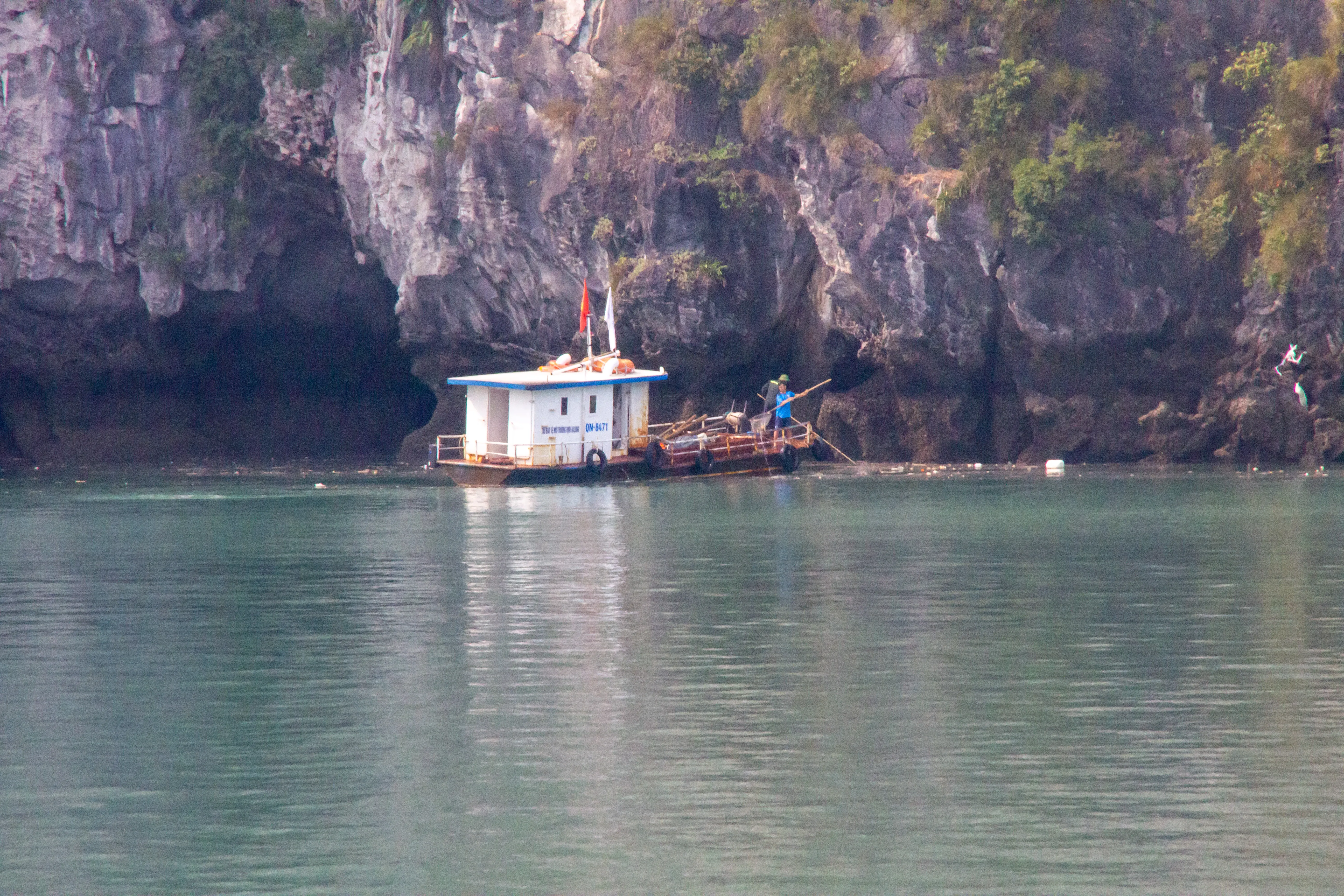
Two locals seem to be cleaning up the trash.
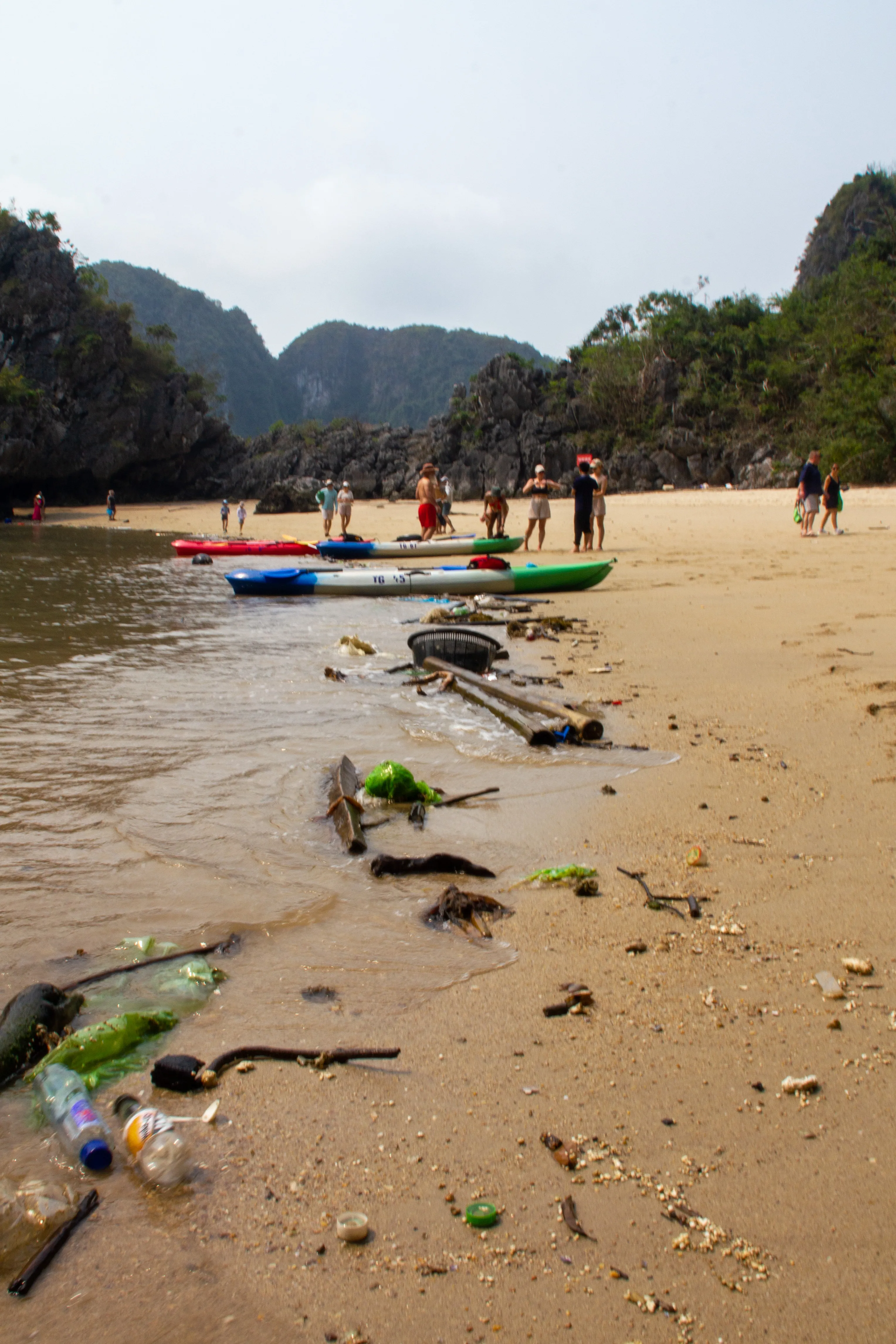
Tourists fresh from the transfer vessel arrived at the beach for a view and picture taking, as plastic washes up on shore.
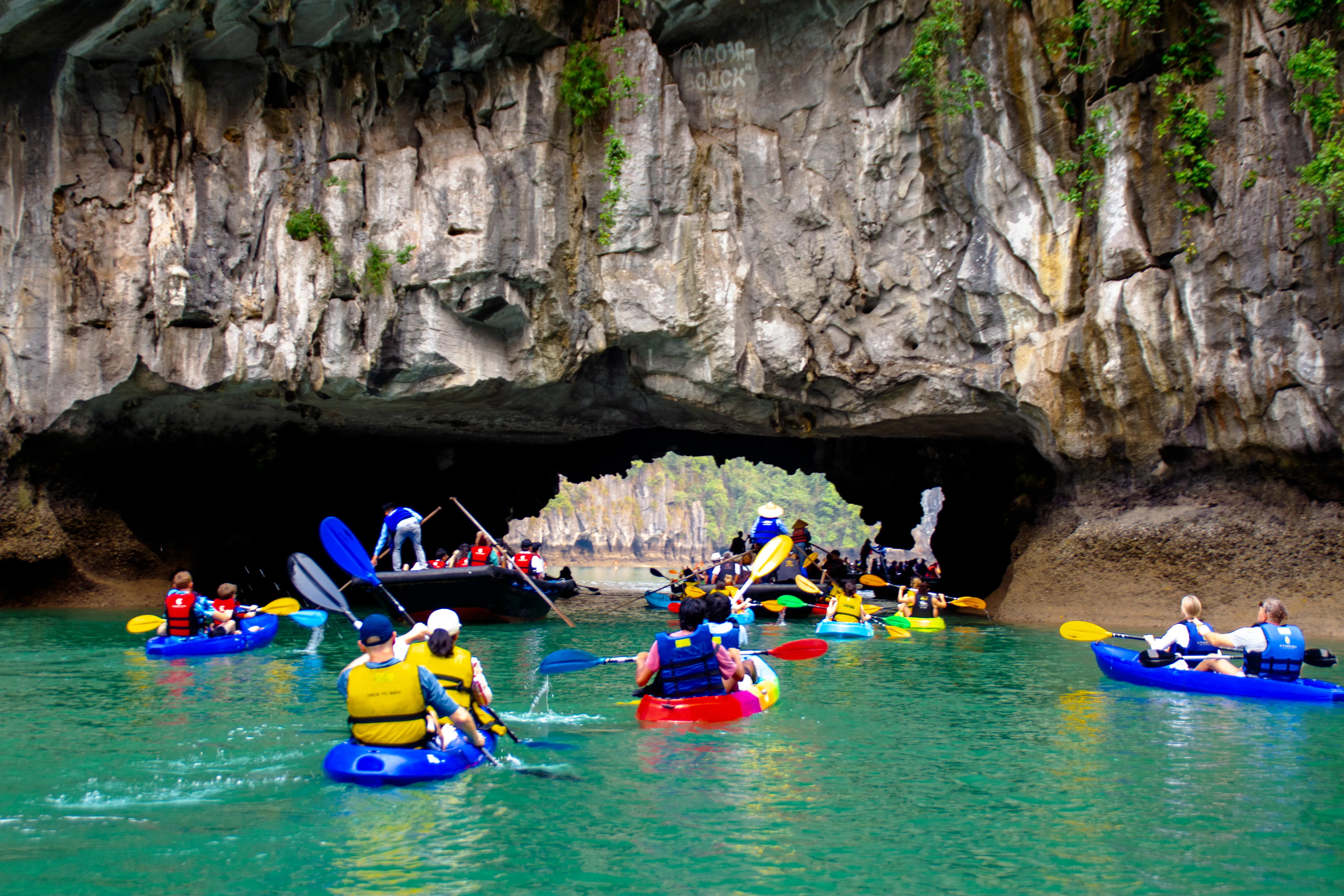
Overcrowded kayaking. Many tourists squeeze through a tunnel, trying to avoid hitting each other.
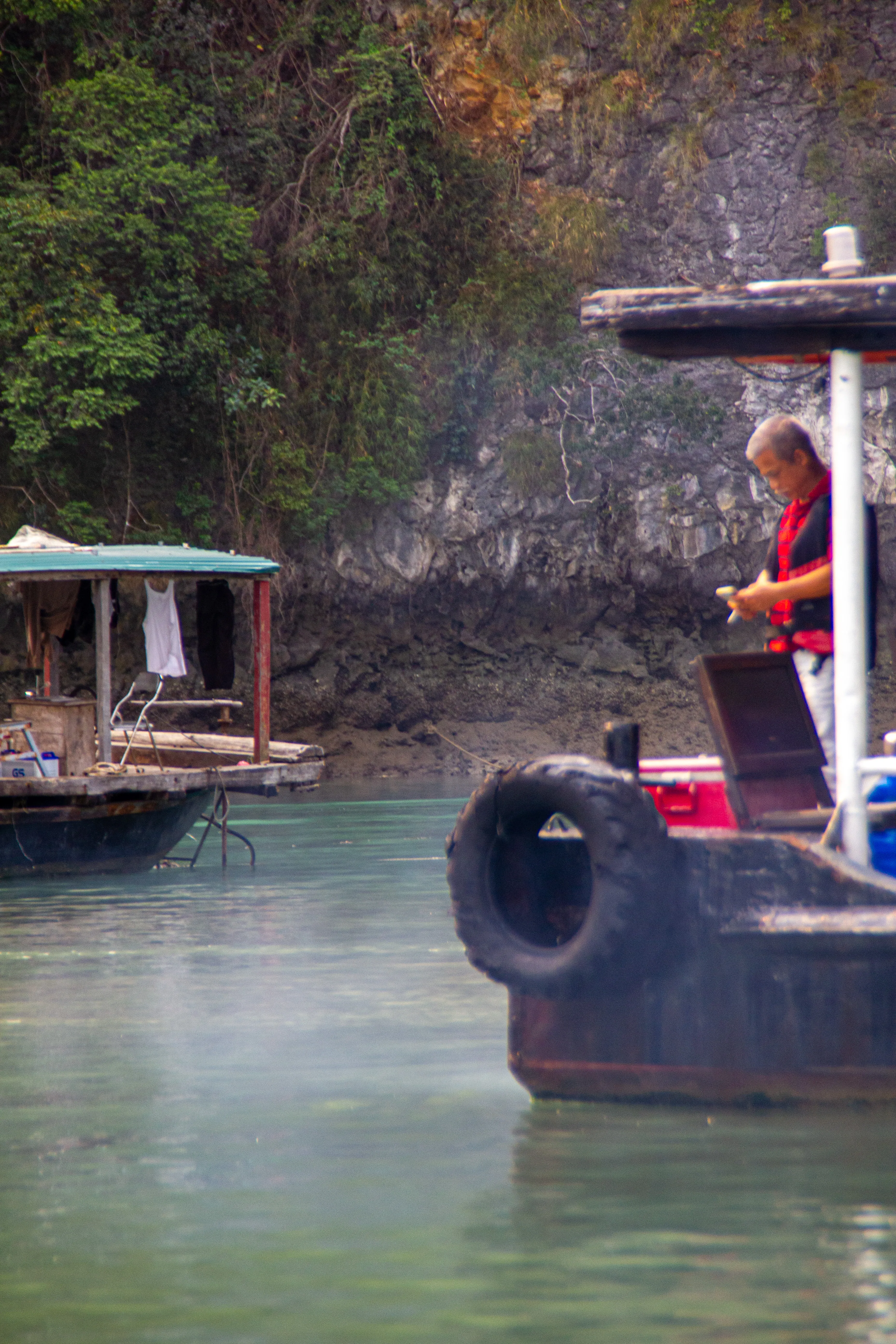
Emissions can be seen from the boats that are parked in the water.
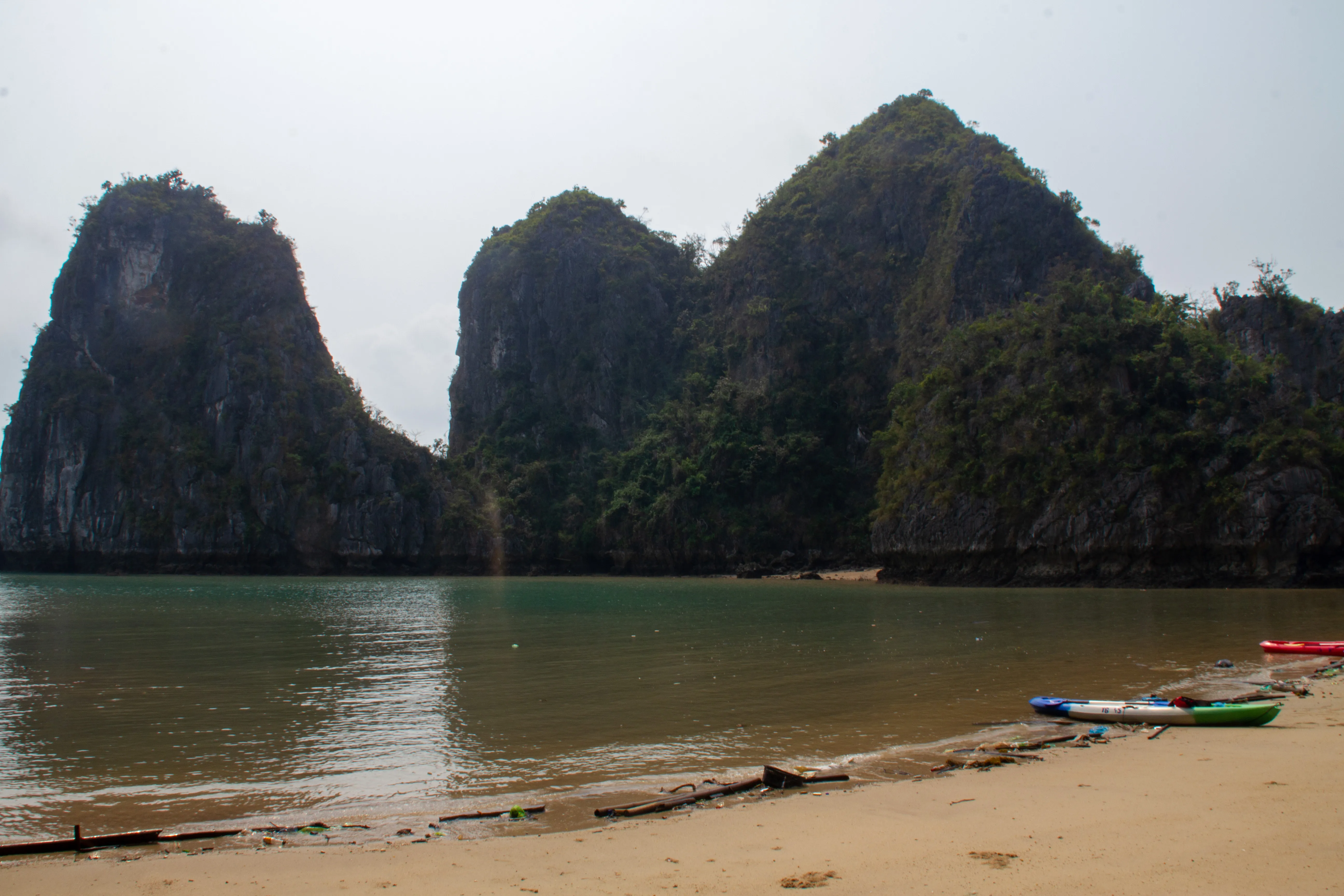
More plastic floating along the beach.
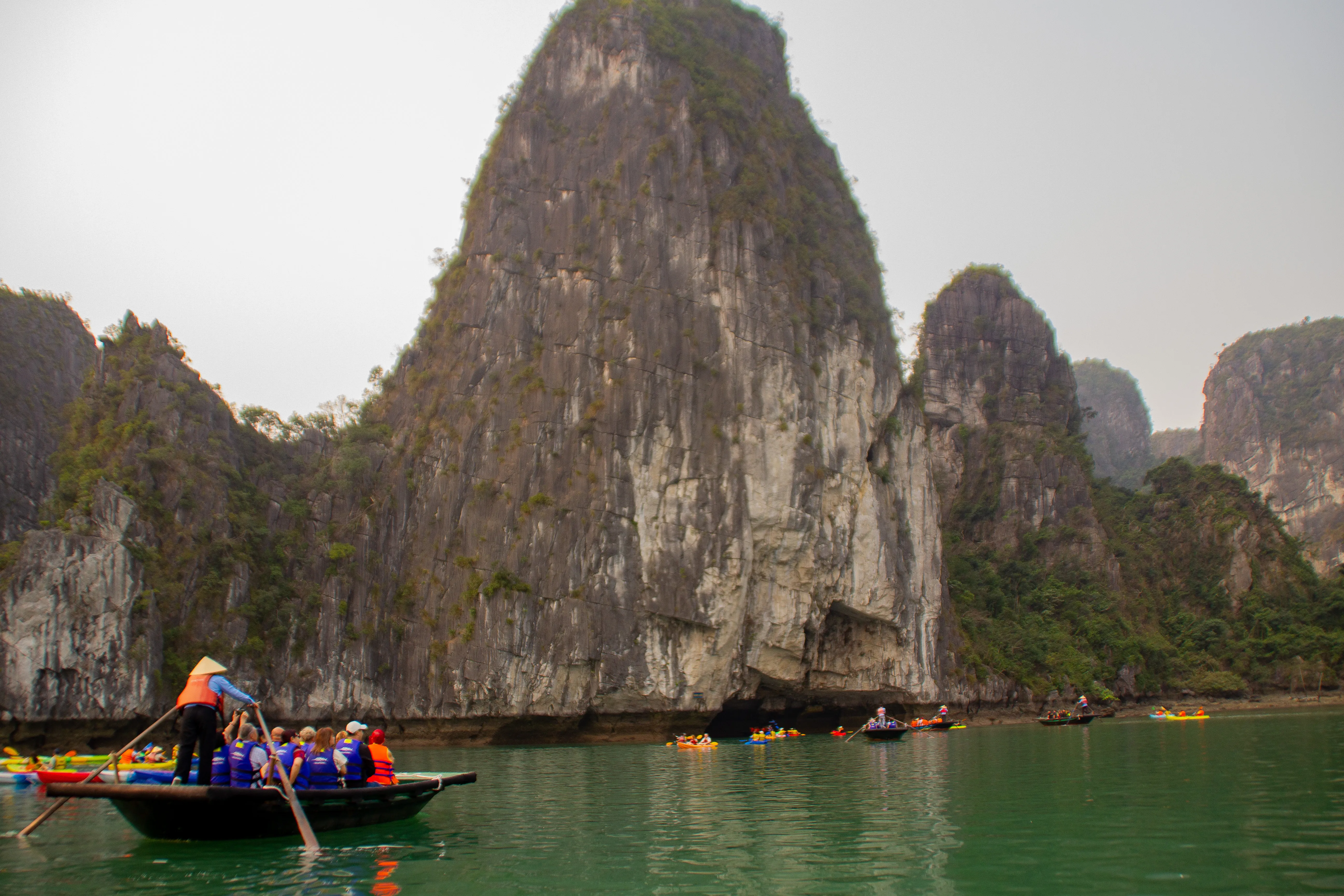
Tourists on the banana boat activity, paddled by a local. All boats and kayaks go through the one very short tunnel to the other side.